Five Gates Lane: History, Landscape and Wildlife
Five Gates Lane might appear to be a quiet rural road on the edge of Belton, but the surrounding landscape tells a much deeper story. Woodland, farmland, historic estate features and ponds all sit within a relatively small area, creating a landscape that has supported wildlife for generations.
Today, Five Gates Lane has become known for its annual toad migration, with volunteers helping amphibians safely cross the road each spring. You can read more about the reasons behind this seasonal movement in our article Why Toads Cross the Road on the Patrol Log.
But the lane itself sits within a much older landscape shaped by agriculture, woodland management and estate history. Understanding that landscape helps explain why wildlife, particularly amphibians, continue to use this route today.
Where Is Five Gates Lane?
Five Gates Lane runs through countryside near Belton, just outside Grantham in Lincolnshire, linking farmland and woodland areas that form part of the wider landscape surrounding Londonthorpe Woods.
The area is a mix of:
-
agricultural land
-
woodland
-
ponds and small lakes
-
hedgerows and field margins
Together these features create a network of habitats that support a wide variety of wildlife, including birds, mammals, insects and amphibians.
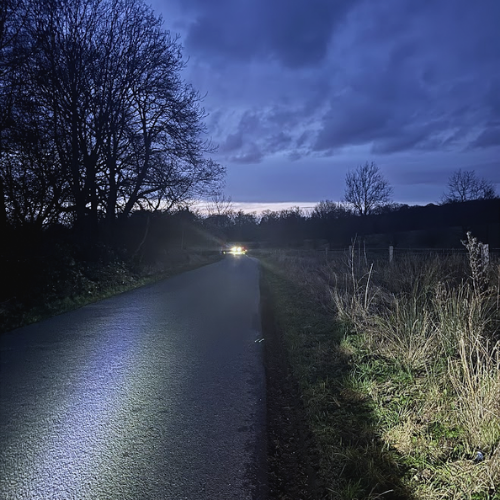
For species such as the common toad (Bufo bufo), this type of landscape is ideal. Toads spend most of the year living on land in woodland, gardens or field margins, before returning to ponds in spring to breed.
The Origin of the Name “Five Gates”
Like many rural lanes across Britain, the name Five Gates Lane likely reflects the historic use of the surrounding farmland.
Historically, fields were separated by hedgerows, fences and gates that controlled livestock movement between grazing areas. Lanes often passed through these boundaries, with gates marking the divisions between fields.
The name “Five Gates” may refer to a series of gates that once stood along the lane, separating different sections of farmland or estate land. While the exact origin of the name may not be fully documented, it reflects the area’s long agricultural history.
Bellmount Tower and the Belton Landscape
Overlooking the countryside near Five Gates Lane is Bellmount Tower, a historic landmark within the wider Belton estate landscape.
Bellmount Tower was built as an ornamental viewing tower, sometimes referred to as a folly, designed to provide sweeping views across the surrounding farmland and woodland. Structures like this were often included in historic estates as focal points within the landscape, giving visitors elevated viewpoints from which to appreciate the scenery.
From Bellmount Tower, the countryside opens out across fields, woodland and ponds. The tower also forms part of a historic sightline across the estate, with views extending towards Belton House, the grand country house at the centre of the Belton estate.
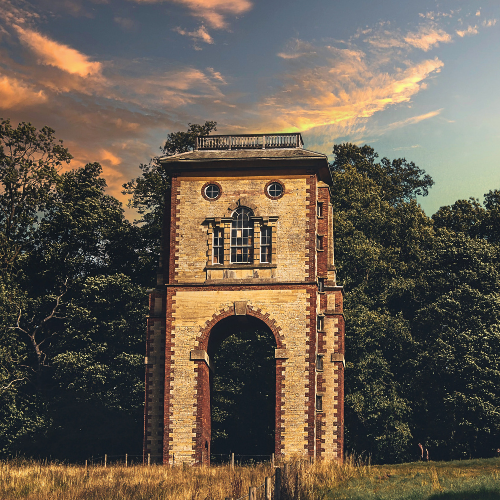
Features like Bellmount Tower helped shape the historic character of the landscape, creating visual connections across the countryside that can still be appreciated today.
Ponds and Lakes in the Landscape
Ponds are an essential feature of the landscape around Five Gates Lane. These water bodies provide breeding habitat for amphibians during the spring migration season.
One such pond is Tar Pond, which acts as a breeding site for amphibians each year.
During migration season, common toads return to ponds like Tar Pond to breed. Female toads lay long strands of eggs known as toadspawn, which wrap around underwater plants and vegetation. These eggs hatch into tadpoles and begin the next stage of the amphibian life cycle.
You can read more about this process in our blog exploring From Spawn to Toadlet: The Life Cycle of a Common Toad.
Without ponds such as Tar Pond and other nearby water bodies, this annual migration would not take place.
Londonthorpe Woods
Close to Five Gates Lane lies Londonthorpe Woods, a large woodland area that forms an important part of the local landscape.
The woods are cared for by the Woodland Trust, which manages woodland across the UK for wildlife and public access.
Woodland habitats like this are particularly important for amphibians. Outside the breeding season, toads spend much of their time hidden in damp places such as leaf litter, under logs and within soil. The shaded woodland floor provides shelter, moisture and an abundance of insects, slugs and worms that form part of a toad’s diet.
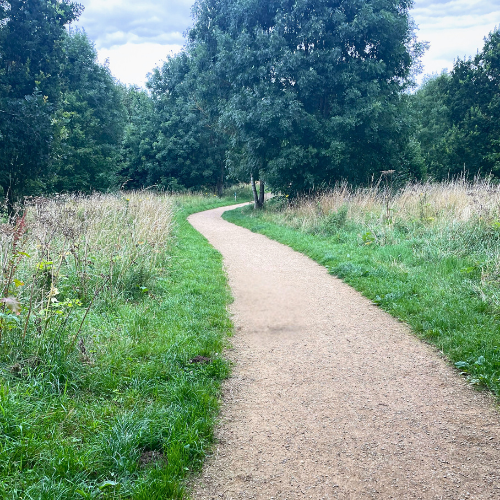
For species such as the common toad (Bufo bufo), woodland and pond habitats work together. Toads spend most of the year living on land in woodland environments like Londonthorpe Woods before migrating to nearby ponds, such as Tar Pond, to breed each spring.
Wildlife Along Five Gates Lane
The combination of woodland, farmland and ponds means the area around Five Gates Lane supports a rich variety of wildlife.
Species that may be found in the surrounding landscape include:
-
common toads (Bufo bufo)
-
frogs
-
newts
-
woodland birds
-
small mammals
-
insects and pollinators
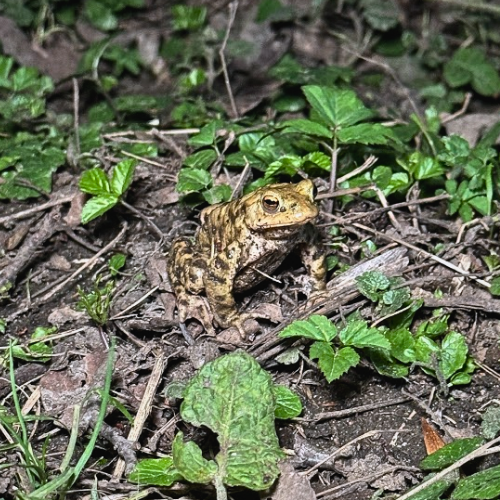
Hedgerows and woodland edges act as natural wildlife corridors, allowing animals to move safely between habitats.
Amphibians in particular rely on these connected landscapes. Organisations such as Froglife work across the UK to protect amphibians and support local Toads on Roads patrols, helping communities safeguard important migration routes.
When Wildlife Meets the Road
Amphibians have followed the same migration routes for generations, moving between woodland habitats and breeding ponds each spring.
These routes often existed long before modern roads were built. As a result, animals continue to follow the same paths today, even when those routes now intersect with busy roads.
Because toads move slowly and are difficult for drivers to see at night, roads can pose a serious risk during migration season.
The Five Gates Lane Toad Patrol
In 2025, local residents discovered that large numbers of toads were being killed along Five Gates Lane during the spring migration season. More than 700 dead toads were recorded along the road, highlighting the scale of the problem.
In response, the Five Gates Lane Toad Patrol was established in 2026, bringing together volunteers to help amphibians safely cross the road during migration season.
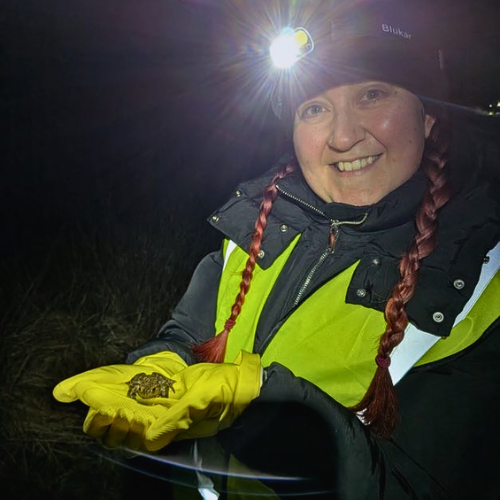
On warm, damp evenings in late winter and early spring, volunteers patrol the lane helping toads, frogs and newts reach nearby breeding ponds. The effort has quickly grown into a community project, with volunteers giving up their evenings to protect wildlife along this historic migration route.
Since patrols began, thousands of amphibians have already been helped safely across the road, demonstrating the positive impact that local communities can have when they work together to protect wildlife.
A Landscape Shaped by History and Nature
Five Gates Lane is more than just a rural road. It sits within a landscape shaped by centuries of agriculture, woodland and estate history, while continuing to support wildlife today.
Each spring, the ancient migration of amphibians reminds us that nature continues to move through this landscape in ways that long predate the modern road network.
Thanks to the efforts of volunteers and the awareness of the local community, Five Gates Lane is becoming a place where history, wildlife and conservation come together.