Frogspawn vs Toadspawn: How to Tell the Difference
During spring, ponds across the UK begin to fill with frogspawn and toadspawn as amphibians return to breed. If you’ve ever spotted jelly-like eggs in a pond and wondered what they belong to, you’re not alone.
One of the most common questions people ask during migration season is how to tell the difference between frogspawn and toadspawn. Luckily, once you know what to look for, the difference is quite easy to spot.
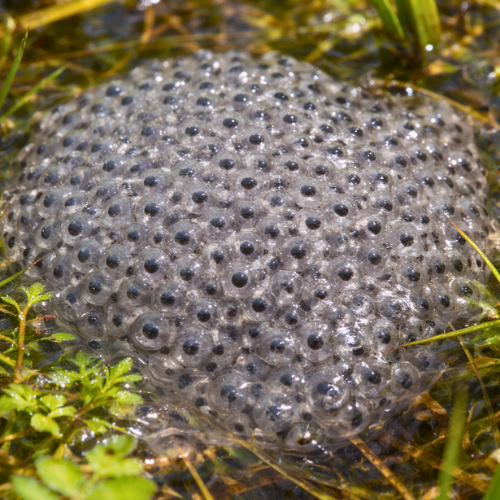
Frogspawn
Frogspawn appears as clumps of jelly-like eggs floating in clusters in ponds, ditches or garden water features.
Each clump contains hundreds of eggs, with each egg appearing as a small black dot surrounded by clear jelly. These clusters often float near the surface of the water and can gather together in large groups.
Frogs usually lay their spawn in shallow areas of ponds, where sunlight helps the eggs develop.
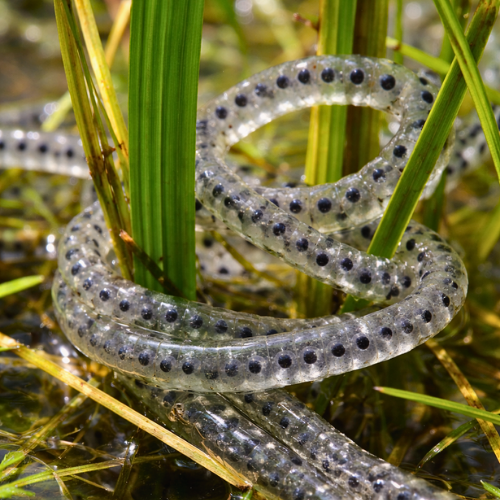
Toadspawn
Toadspawn looks very different from frogspawn. Instead of clumps, it appears as long strings of eggs, sometimes stretching for several metres.
These strings of jelly contain rows of tiny black eggs and are usually wrapped around pond plants or underwater vegetation. Female toads lay these strands while moving through the water, which is why they often become tangled around stems and leaves.
Each female toad can lay thousands of eggs during the breeding season.
The Key Differences
The easiest way to tell the difference between frogspawn and toadspawn is by looking at the shape.
Frogspawn
-
Appears in clumps or clusters
-
Often floats near the surface of the water
-
Looks like clear jelly blobs with black dots
Toadspawn
-
Appears in long strings or ribbons
-
Usually wrapped around plants underwater
-
Looks like rows of black dots inside jelly strands
Why Amphibians Lay Eggs in Ponds
Both frogs and toads return to water in spring because their eggs need moist, aquatic environments to develop.
After the eggs hatch, the young amphibians emerge as tadpoles, which spend several weeks living in the water before transforming into froglets or toadlets.
Later in the season, these tiny amphibians leave the pond and begin life on land.
Spotting Spawn During Migration Season
Across the UK, frogspawn and toadspawn usually appear between late winter and early spring, depending on weather conditions. Warm, wet evenings often trigger amphibians to move towards breeding ponds.
At sites like Five Gates Lane in Belton, volunteers see this seasonal migration each year as toads cross the road to reach the breeding pond.
.
You can follow updates from the local migration season in The Patrol Log, where volunteers share stories and observations from Five Gates Lane.
If you’d like to find a toad patrol near you, Froglife provides a national map of migration sites through their Toads on Roads patrol map.